




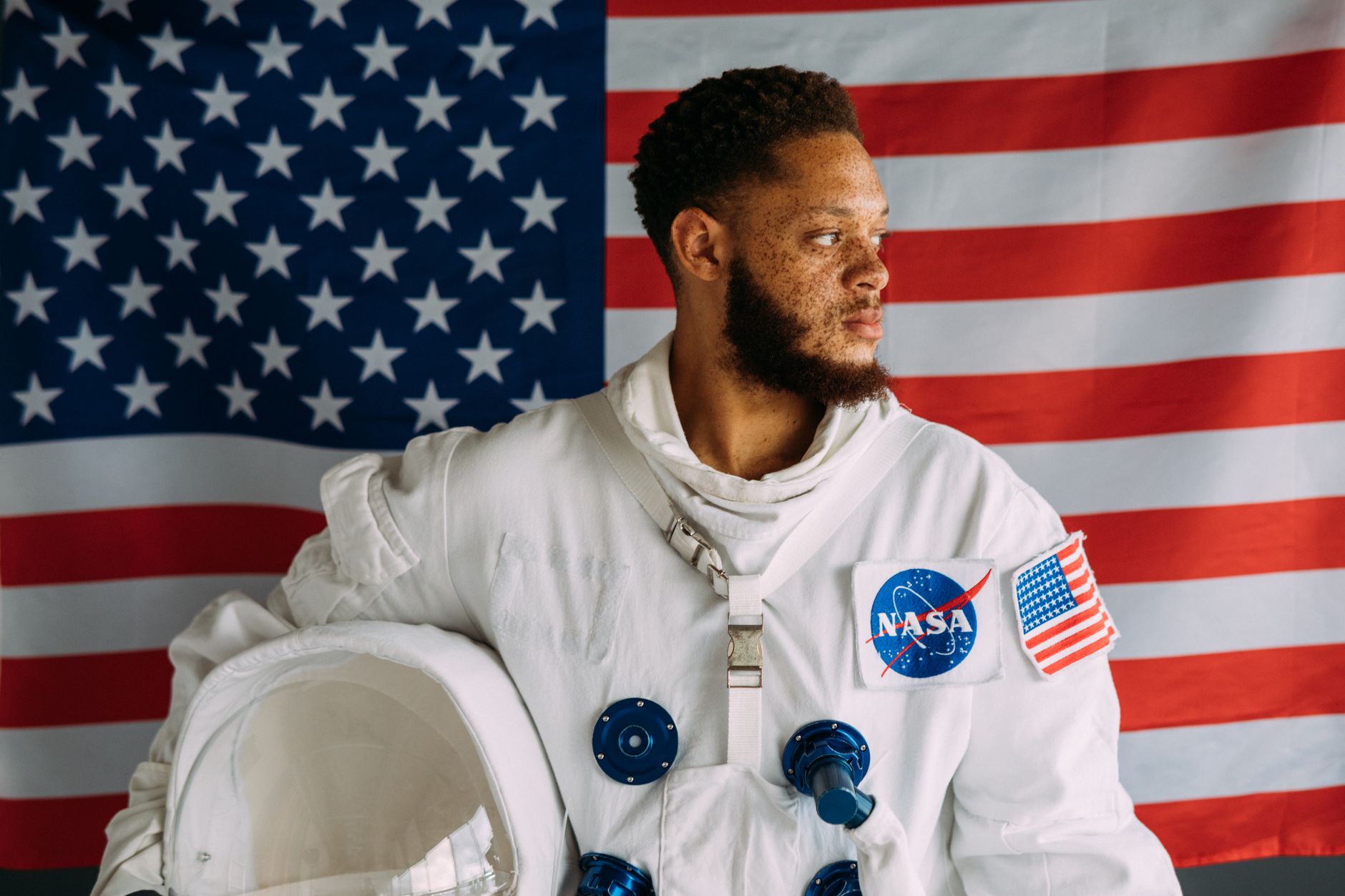
NASA astronaut candidates are now being recruited for future missions, including the possibility of living and working on the moon. This new initiative opens doors for aspiring astronauts.
What It Takes to Become a NASA Astronaut
Becoming a NASA astronaut candidate is a rigorous and highly competitive process that requires a unique blend of education, experience, and personal qualities. Candidates must meet specific criteria to be considered for this prestigious role in space exploration.
First and foremost, a strong educational background is essential. Candidates typically hold at least a master’s degree in a relevant field such as:
- Engineering
- Biological Science
- Physical Science
- Mathematics
In addition to educational qualifications, candidates should have a minimum of three years of related professional experience or at least 1,000 hours of pilot-in-command time in jet aircraft. NASA astronaut candidates must also demonstrate exceptional physical fitness and possess strong problem-solving skills.
Furthermore, teamwork and leadership abilities are crucial, as astronauts often work in high-pressure environments with diverse teams. The selection process is designed to identify individuals who not only excel academically and professionally but also exhibit the resilience needed to thrive in space.
The Future of Lunar Missions
The future of lunar missions is poised for a new horizon as NASA astronaut candidates prepare for a series of groundbreaking explorations. With the Artemis program set to return humans to the Moon, the selected candidates will play a crucial role in expanding our understanding of lunar science and technology.
NASA’s ambitious plans include:
- Establishing a sustainable human presence: The goal is to create a long-term base on the Moon, allowing for extended missions and research.
- Conducting scientific research: Astronauts will study the Moon’s resources and geology, providing vital information for future Mars missions.
- Testing new technologies: Lunar missions will serve as a testing ground for systems and technologies needed for deep space exploration.
As NASA astronaut candidates undergo rigorous training and selection, they are not just preparing for a mission; they are stepping into a pivotal role in the future of space exploration. The experiences gained on the Moon will be invaluable for humanity’s next giant leap—sending astronauts to Mars.
Application Process for NASA Astronaut Candidates
The application process for NASA astronaut candidates is rigorous and highly competitive, designed to select the most qualified individuals for space exploration missions. Interested applicants must meet a range of criteria, including educational qualifications, professional experience, and physical fitness.
To apply, candidates must:
- Hold at least a master’s degree in a Science, Technology, Engineering, or Mathematics (STEM) field from an accredited institution.
- Have at least two years of related professional experience or at least 1,000 hours of pilot-in-command time in jet aircraft.
- Pass a demanding medical examination, ensuring they are fit for the physical and mental challenges of space travel.
Once applications are submitted, NASA reviews and evaluates each candidate’s qualifications. Selected individuals will undergo a thorough interview process, including technical assessments and team compatibility evaluations.
Those who succeed will enter a rigorous training program, preparing them for life as NASA astronaut candidates. This process not only equips them for missions to the International Space Station but also for future lunar and Martian explorations.
Exciting Opportunities in Space Exploration
The selection of new NASA astronaut candidates marks a thrilling chapter in the ongoing journey of space exploration. As humanity sets its sights on new horizons, these candidates will play a crucial role in shaping the future of our presence beyond Earth.
Among the most exciting opportunities for the selected astronaut candidates is the prospect of living and working on the moon. This initiative is part of NASA’s Artemis program, which aims to return humans to lunar soil and establish a sustainable presence by the end of the decade. The experience gained from these missions will pave the way for future exploration of Mars and beyond.
Moreover, becoming a NASA astronaut means engaging in groundbreaking research that could benefit life on Earth. Candidates will participate in experiments that enhance our understanding of space and its effects on the human body, leading to advancements in technology and medicine.
As NASA continues to push boundaries, the excitement surrounding the new astronaut candidates reflects a collective hope for humanity’s future among the stars, fostering a new generation of explorers ready to take on the challenges of space.
Photo by T Leish on Pexels
Read the original
Bitcoin Price Slide: Is This the Worst Time to Sell? · Pharma Stock Performance: Smart Insights on Recent Surge · Midterm Results Taxes: What’s the Real Impact for You?