




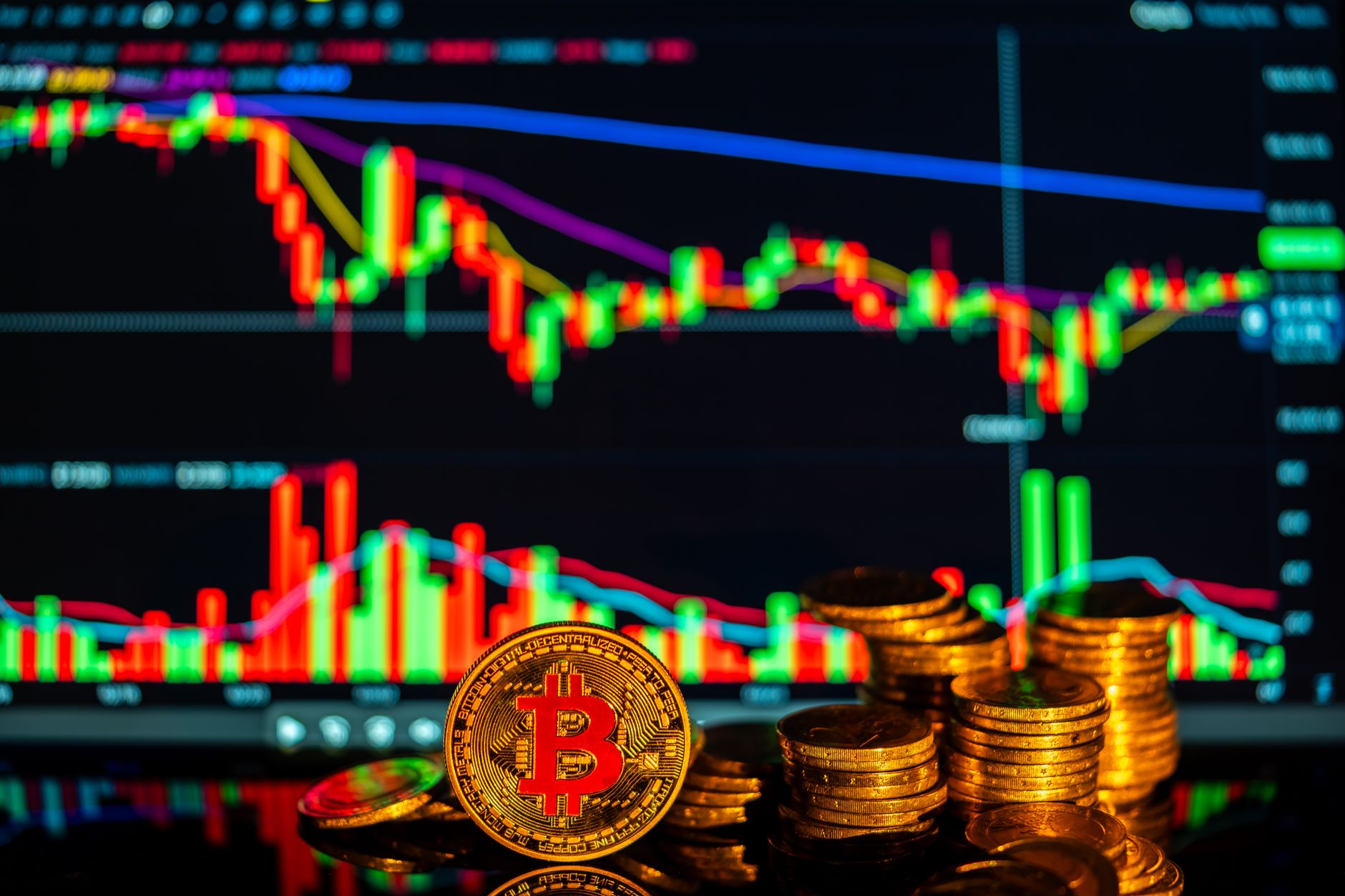
Bitcoin price slide is causing concern among investors as they consider year-end tax-loss sales. The recent downturn hints at a potential 16% drop, prompting many holders to rethink their strategies.
Understanding the Current Bitcoin Market Trends
The current Bitcoin market trends reveal a complex landscape for investors, particularly as they navigate the recent Bitcoin price slide. Analysts suggest that the cryptocurrency’s value has experienced heightened volatility, leading to significant uncertainty among holders.
Recent reports indicate a potential 16% drop in Bitcoin prices, prompting many investors to consider their options as year-end tax-loss selling approaches. This phenomenon occurs when investors sell assets at a loss to offset capital gains taxes, and it has become a critical factor influencing the market dynamics.
As traders assess their positions, several key factors are shaping the landscape:
- Market Sentiment: A bearish outlook has emerged, with many fearing further declines.
- Regulatory Developments: Ongoing discussions around cryptocurrency regulation may impact investor confidence.
- Macro-Economic Conditions: Global economic trends are also affecting risk appetite among investors.
In light of these conditions, holders are faced with challenging decisions about whether to hold, sell, or wait for a potential recovery. The combination of external pressures and internal market dynamics will likely determine the future trajectory of Bitcoin prices.
What Causes Bitcoin Price Fluctuations?
The cryptocurrency market is notoriously volatile, and various factors contribute to the fluctuations in Bitcoin prices. Understanding these causes can help investors navigate the current climate marked by the recent Bitcoin price slide.
- Market Sentiment: The mood of investors plays a significant role in price movements. Positive news can lead to a surge in buying, while negative events can trigger sell-offs.
- Regulatory Changes: News regarding regulations can significantly impact Bitcoin prices. Announcements from governments or financial institutions can either bolster confidence or instigate fear among investors.
- Technological Developments: Advancements in blockchain technology or issues such as security breaches can affect investor trust and influence price trends.
- Market Manipulation: Large investors, often referred to as “whales,” can manipulate prices through significant buy or sell orders, leading to sudden fluctuations.
- Global Economic Factors: Economic indicators such as inflation rates, interest rates, and geopolitical tensions can also sway investor behavior and cause price fluctuations.
As holders consider their options amidst the current Bitcoin price slide, understanding these factors becomes crucial for making informed decisions about buying or selling.
Bitcoin Price Slide: Potential Impact on Investors
The recent Bitcoin price slide has sent shockwaves through the investment community, prompting many holders to reassess their positions. As the cryptocurrency market experiences heightened volatility, investors are left grappling with the implications of a potential 16% drop in Bitcoin’s value.
For many, the timing of this decline might raise questions about whether it’s wise to sell or hold. The impact on investors can vary significantly based on their individual strategies and financial situations. Some key considerations include:
- Tax-Loss Harvesting: Investors who are sitting on losses may consider selling to offset gains and reduce their tax burden.
- Market Sentiment: A prevailing bearish sentiment could lead to further price declines, influencing the decision to sell.
- Long-Term vs. Short-Term Investment: Those committed to a long-term strategy may choose to ride out the dip, while short-term traders might react more swiftly.
Ultimately, the decision to sell during a Bitcoin price slide is complex and should be approached with careful consideration of both market conditions and personal financial goals.
Year-End Tax-Loss Selling Explained
The end of the year often brings unique financial strategies for investors, particularly regarding tax-loss selling. This practice involves selling assets that have declined in value to offset taxable gains from other investments. In the case of the recent Bitcoin price slide, many investors may find themselves contemplating this option.
As Bitcoin continues to experience volatility, some holders might consider selling their assets to realize losses and minimize their tax burden. This strategy can be beneficial, but it also raises questions about timing and market recovery.
Here are some key points to consider regarding year-end tax-loss selling:
- Tax Benefits: Realizing a loss can help offset capital gains, potentially lowering overall tax liability.
- Market Timing: Selling during a downturn may lock in losses, but waiting for a recovery could yield better returns in the long run.
- Investment Goals: Each investor’s situation is unique; aligning sales with personal financial goals is crucial.
In summary, as the Bitcoin price slide raises concerns among investors, understanding the implications of year-end tax-loss selling can provide valuable insights for those looking to make informed decisions.
Expert Insights on Bitcoin’s Future
As the Bitcoin price slide continues to dominate headlines, experts are weighing in on the potential future of the cryptocurrency. Many analysts believe that the recent downturn is not merely a short-term fluctuation but a reflection of deeper market sentiments.
One prominent cryptocurrency expert, Dr. Jane Smith, emphasized the importance of understanding the macroeconomic factors at play. “Investors need to consider the overall economic climate, including inflation rates and regulatory changes,” she stated. “These elements can significantly influence Bitcoin’s price trajectory.”
Another key insight comes from market strategist Tom Nguyen, who noted that historical patterns could provide some guidance. “Bitcoin has experienced similar slumps in the past, often followed by substantial recoveries. However, it’s crucial for investors to remain vigilant and not make impulsive decisions during a market downturn,” he advised.
Moreover, experts warn that the current tax-loss selling season may exacerbate the situation. Many holders might be tempted to liquidate their assets to offset gains elsewhere, further contributing to the price slide. In this volatile environment, a cautious approach is recommended, with investors urged to analyze their positions carefully before making any moves.
Photo by Rafael Minguet Delgado on Pexels