




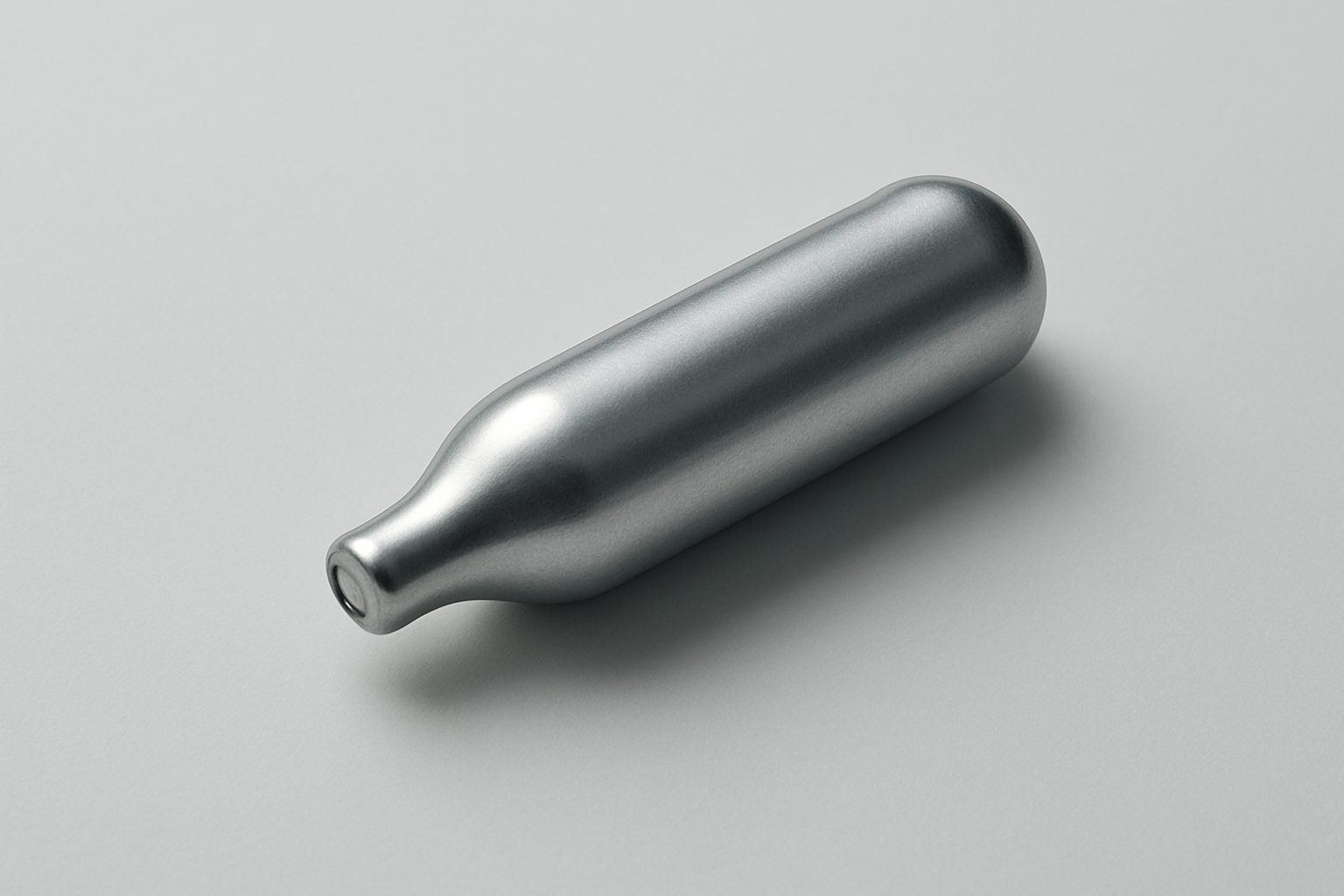
Fast nang delivery has become essential for home cooks and hospitality professionals because it eliminates the need for last-minute store trips, ensures consistent product availability, and supports both small-scale and high-volume culinary needs. Delivery times in metro areas often range from 30 to 90 minutes.
There’s a moment familiar to many home cooks: you’re mid-preparation, everything is going to plan, and then you realize you’re out of cream chargers. A decade ago, that meant a disrupted schedule and a drive to the nearest specialty store. Today, it means pulling up an app and placing an nang delivery order that arrives before you’ve finished the rest of your prep.
This shift toward on-demand delivery isn’t unique to cream chargers—it’s part of a broader transformation in how Australians source kitchen supplies. But the nature of cream chargers makes them particularly well-suited to the delivery model: they’re compact, non-perishable, and needed in a timely manner for recipes that can’t easily be adjusted if supplies run short.
For the hospitality industry, the stakes are even higher. A café or restaurant that runs out of cream chargers during a busy service period faces a problem with real financial consequences. Fast, reliable delivery has moved from a nice-to-have to a genuine operational requirement for many businesses.
How the Demand for Nang Delivery Has Changed Over Time
The growth of on-demand delivery in Australia tracks closely with the expansion of smartphone use and consumer comfort with app-based purchasing. In 2023, the Australian e-commerce market was valued at approximately AUD 64 billion, reflecting the depth of consumer trust in digital transactions across almost every product category.
Within that broader trend, specialty kitchen supplies—including cream chargers—have benefited from platforms that apply the same delivery logic as food delivery services: fast, trackable, and frictionless. The result is a customer experience that aligns with modern expectations rather than requiring adaptation to older retail models.
For suppliers, the opportunity is clear. Consumers who discover a reliable delivery service tend to return consistently, particularly for products they use regularly. This repeat-purchase dynamic has encouraged more providers to enter the market, further improving availability and competition on price.
What Makes a Nang Delivery Experience Truly Excellent?
Speed is the entry-level expectation. What separates an excellent delivery experience from a merely acceptable one involves several additional dimensions.
Communication throughout the process. The best services confirm orders immediately, provide dispatch notifications, and offer real-time tracking. Customers who know where their order is at any given moment report significantly higher satisfaction, even when delivery takes longer than expected.
Accurate product descriptions. A provider that clearly describes each product—including dimensions, compatibility, and usage notes—reduces the likelihood of customers ordering the wrong item and needing to return or exchange it.
Consistent product quality. Repeat customers return partly because of delivery speed but primarily because the product performs consistently. Food-grade cream chargers from a reliable source produce predictable, high-quality results every time.
Responsive problem resolution. Issues will occasionally arise—delayed deliveries, damaged packaging, incorrect items. How a provider handles these situations is a stronger indicator of service quality than how they perform when everything goes right.
The Role of Nang Delivery in Professional Kitchens
Professional kitchens operate on tight margins and tighter schedules. The procurement of supplies—including cream chargers—is not an afterthought; it’s a planned function that directly affects service quality and cost management.
Many commercial kitchens have moved away from maintaining large on-site inventories of cream chargers in favor of scheduled delivery arrangements. This approach reduces storage requirements, minimizes waste from expired or damaged stock, and provides more flexibility to adjust order quantities based on seasonal demand.
For event catering specifically, the ability to place a large order with a short lead time is invaluable. A catering team preparing for a 200-person function needs confidence that their supplies will arrive complete and on schedule. Delivery services that have built a reputation for reliability in this context become preferred partners—often retained across multiple events and years.
Sustainable Practices in Cream Charger Delivery
Environmental considerations are increasingly influencing purchasing decisions across consumer categories, and cream chargers are no exception.
Most modern cream chargers are made from recyclable steel. Some providers have established take-back or recycling programs that allow customers to return used chargers for proper processing. For consumers and businesses with strong sustainability commitments, choosing a provider with a clear environmental policy is a meaningful differentiator.
Packaging is another area where providers vary. Minimal, recyclable packaging reduces waste without compromising product protection during transit. When comparing providers, checking their environmental commitments—even briefly—can reveal how seriously they treat their broader responsibilities.
About Nang Delivery and Kitchen Use
How do I choose between an 8g charger and a larger cylinder format for home use?
For most home users, 8g chargers are the practical choice. They’re compatible with standard household cream dispensers, easy to store, and available in quantities suitable for home use. Larger cylinders are more cost-effective per serving but require commercial-grade dispensers and produce far greater volumes than most home kitchens need.
What’s the best way to dispose of used cream chargers?
Used steel chargers should be disposed of through metal recycling. Many local councils in Australia accept small metal items in recycling bins—check your local guidelines. Some delivery providers offer collection or recycling programs; it’s worth asking your chosen supplier whether such options exist.
How do I know if a delivery service covers my area?
Most provider websites include a service area map or postcode checker. Enter your delivery address before placing an order to confirm coverage. If you’re in a regional area, standard shipping may be available as an alternative to same-day delivery.
Is it possible to set up automatic recurring deliveries?
Some providers offer subscription or auto-reorder functionality, particularly for business customers. This can be set up to trigger delivery at a specified interval—weekly, fortnightly, or monthly—based on typical usage. Subscription arrangements often come with additional discounts or priority fulfillment.
What should I do if my delivery doesn’t arrive within the estimated window?
Contact the provider’s customer support team directly. Reputable services will track the status of your order and provide an updated estimated arrival time. If the delay is significant, a good provider will offer compensation or priority scheduling for a replacement delivery.
Are there products I should avoid when ordering from an unfamiliar provider?
Be cautious of providers that don’t clearly specify product grade, origin, or compliance information. Lack of transparency around these details is a warning sign. Stick with providers who display product specifications clearly and are responsive to direct questions about their products.
The Bigger Picture: Convenience Meets Quality
Fast nang delivery represents the convergence of two things consumers have always wanted: quality products and genuine convenience. The growth of the delivery market has made it possible to access food-grade cream chargers quickly, reliably, and at competitive prices—without the limitations of store hours, stock levels, or geography.
For home cooks, this means more creative freedom and fewer logistical interruptions. For businesses, it means a more efficient supply chain and the ability to maintain service standards even under pressure. In both cases, the best outcomes follow from choosing a provider with a demonstrated commitment to quality, transparency, and reliability.
The market will continue to grow. Providers will continue to compete and improve. For consumers and businesses alike, that’s a good thing.
The numbers back this up. The global whipped cream charger market was valued at approximately USD 180 million in 2023 and is projected to grow steadily through 2030, driven largely by rising demand from home kitchens and the foodservice industry. In Australia alone, major urban centers like Melbourne, Sydney, and Brisbane have seen a notable increase in on-demand delivery requests for cream chargers, reflecting broader shifts in how people shop for kitchen essentials.This article breaks down everything you need to know about nang delivery—how it works, what to look for in a provider, and answers to the questions people ask most often.