




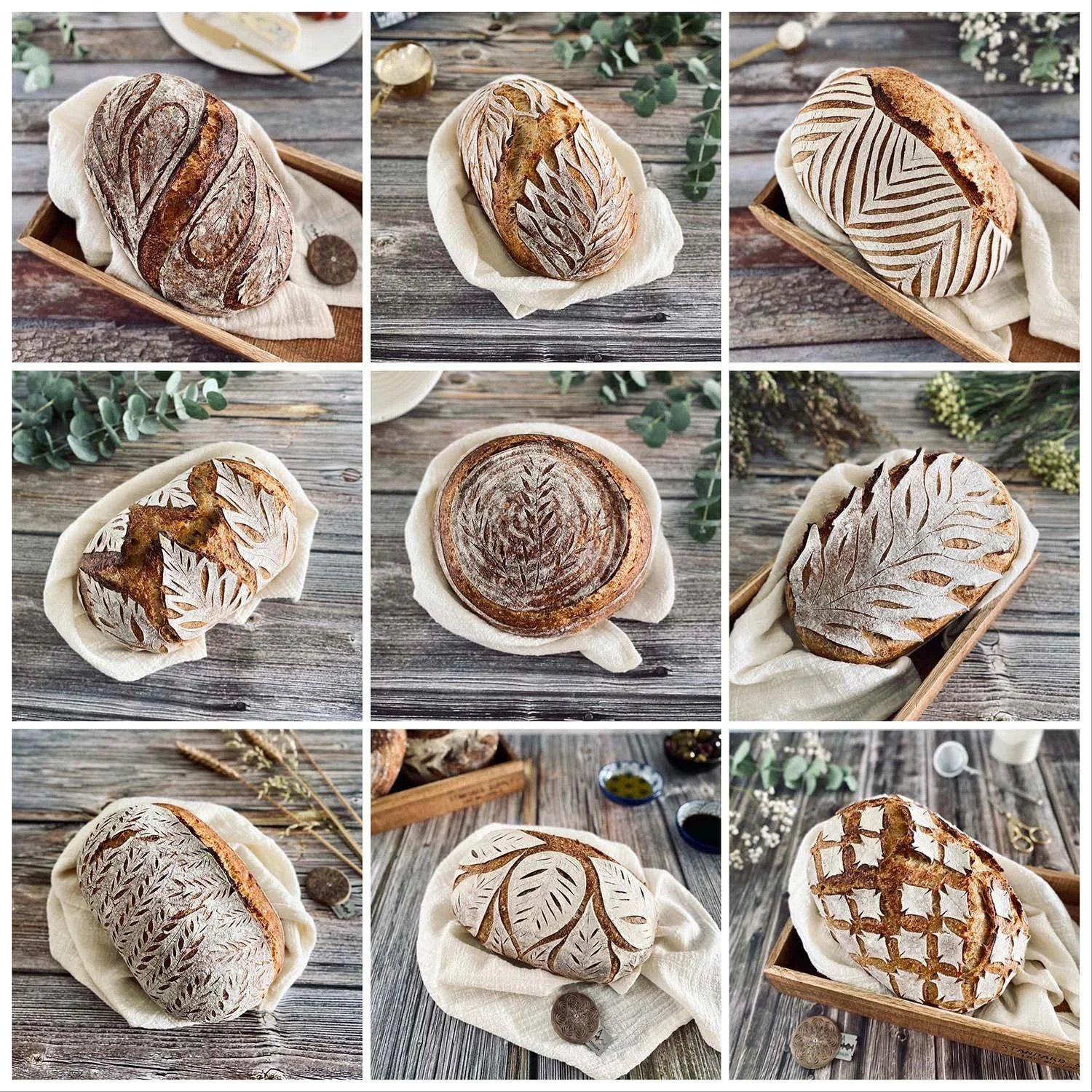
Sourdough scoring is essential for achieving that picture-perfect artisan loaf. Wondering how to master this technique? Start by understanding the importance of a well-sharpened blade. When it comes to scoring, the angle and depth of your cuts can make all the difference in creating a beautifully patterned crust and controlling the bread’s rise during baking. Practice makes perfect, so don’t be afraid to experiment with different designs and techniques to elevate your sourdough bread to the next level.

The Art of Sourdough Scoring: Elevate Your Bread Baking Game
Welcome, fellow bread enthusiasts! Today, we are diving into the wonderful world of sourdough scoring – a technique that not only adds beauty to your loaves but also plays a crucial role in the baking process. Whether you’re a seasoned baker or just starting out on your sourdough journey, mastering the art of scoring can take your homemade bread to the next level. So, grab your apron and let’s explore the ins and outs of sourdough scoring together!
Understanding the Basics of Sourdough Scoring
Before we delve into the nitty-gritty details, let’s talk about what sourdough scoring actually means. In simple terms, scoring is the process of creating decorative cuts on the surface of your bread dough before it goes into the oven. These cuts serve a dual purpose: they allow the bread to expand properly during baking and create a stunning visual pattern on the finished loaf.
Scoring is not just about making your bread look pretty – it also helps control how the dough expands while baking. By strategically scoring your loaf, you can influence the direction and rate of expansion, resulting in a more evenly risen and textured bread. Plus, scoring creates those signature “ears” – the crispy, caramelized edges that add a delightful crunch to each bite.
The Tools of the Trade: Choosing the Right Blade
When it comes to sourdough scoring, the right tool can make all the difference. The most commonly used tool for scoring bread is a sharp, thin-bladed knife known as a lame (pronounced lah-may). Lames come in various styles, from straight blades to curved ones, each offering a unique cutting experience.
For beginners, a simple straight blade lame is a good choice. These lames are easy to handle and provide clean cuts on the dough. As you gain more experience and confidence in your scoring abilities, you may want to experiment with different blade styles to create intricate patterns and designs on your loaves.
Mastering the Art of Scoring: Tips and Techniques
Now that you have the right tool in hand, it’s time to master the art of sourdough scoring. Here are some tips and techniques to help you level up your bread baking game:
1. Preparing Your Dough
Before you can score your dough, you need to make sure it is properly proofed. A well-proofed dough will have good surface tension, making it easier to create clean cuts without deflating the dough. To check if your dough is ready for scoring, gently press a finger into the dough – if it springs back slowly, it’s ready to be scored.
2. Scoring Techniques
When it comes to scoring, there are several techniques you can try to achieve different patterns and effects. The most common scoring pattern is a simple single slash or “French” score, where you make one long cut down the center of the dough. This technique helps the dough expand evenly and creates a classic look.
For a more decorative touch, you can experiment with scoring patterns like wheat sheaves, spirals, or diamond shapes. To create these patterns, vary the angle and depth of your cuts to achieve the desired effect. Remember, practice makes perfect – don’t be afraid to try out different techniques and see what works best for you.
3. Maintaining Your Blade
Keeping your scoring blade sharp is essential for clean cuts and precise scoring. To maintain your blade, make sure to sharpen it regularly using a sharpening stone or honing rod. A sharp blade will glide effortlessly through the dough, creating beautiful patterns without tearing or dragging.
Experimenting with Flours and Scoring Patterns
One of the joys of sourdough baking is the endless possibilities for creativity. As you become more comfortable with scoring, don’t be afraid to experiment with different flours and scoring patterns to create unique loaves that reflect your personal style.
Try incorporating whole wheat flour, rye flour, or seeds into your dough for added flavor and texture. These ingredients can also influence how your dough expands during baking, resulting in intricate patterns and crust variations. Get creative with your scoring designs – the only limit is your imagination!
Final Thoughts: Embracing the Art of Sourdough Scoring
As we come to the end of our sourdough scoring journey, I hope you feel inspired to elevate your bread baking game with this beautiful and practical technique. Remember, scoring is not just about aesthetics – it’s a fundamental aspect of the baking process that can truly transform your homemade loaves.
So, the next time you shape your sourdough, take a deep breath, pick up your lame, and let your creativity flow. With practice, patience, and a dash of imagination, you’ll soon be creating stunning loaves that not only taste delicious but also look like works of art. Happy scoring, and happy baking!
Thank you for joining me on this sourdough scoring adventure. Until next time, happy baking!
BAKE 30 SECONDS – THEN SCORE (amazing baking trick)
Frequently Asked Questions
What is sourdough scoring?
Sourdough scoring is the technique of cutting shallow slashes or patterns on the surface of a loaf of sourdough bread before baking. This helps control the expansion of the bread during baking, creating an attractive appearance and influencing the final texture.
Why is scoring important in sourdough baking?
Scoring is crucial in sourdough baking as it allows the bread to expand and rise properly in the oven. It also helps release steam during baking, preventing the bread from bursting unevenly. Additionally, scoring adds an aesthetic touch to the finished loaf.
How do I achieve a good scoring on my sourdough bread?
To achieve a good scoring on your sourdough bread, use a sharp blade or a bread lame to make swift, decisive cuts on the surface of the dough. Make sure your dough is properly proofed, and practice different scoring patterns to find what works best for your recipe.
Can I score my sourdough bread too deeply?
Scoring your sourdough bread too deeply can cause the loaf to deflate or lose its shape during baking. It’s important to find the right balance between deep enough to allow expansion and too deep that it affects the structure of the bread. Practice and experience will help you gauge the perfect depth.
Final Thoughts
In conclusion, mastering the art of sourdough scoring elevates the visual appeal and texture of your loaves. Precision and practice are key in creating beautiful patterns that allow the bread to expand properly during baking. Experiment with different scoring techniques to find what works best for your sourdough recipes. Remember, scoring not only adds aesthetic value but also plays a crucial role in controlling the bread’s rise and creating that classic artisanal look. Keep practicing and refining your skills to achieve the perfect sourdough scoring on your delicious loaves.