




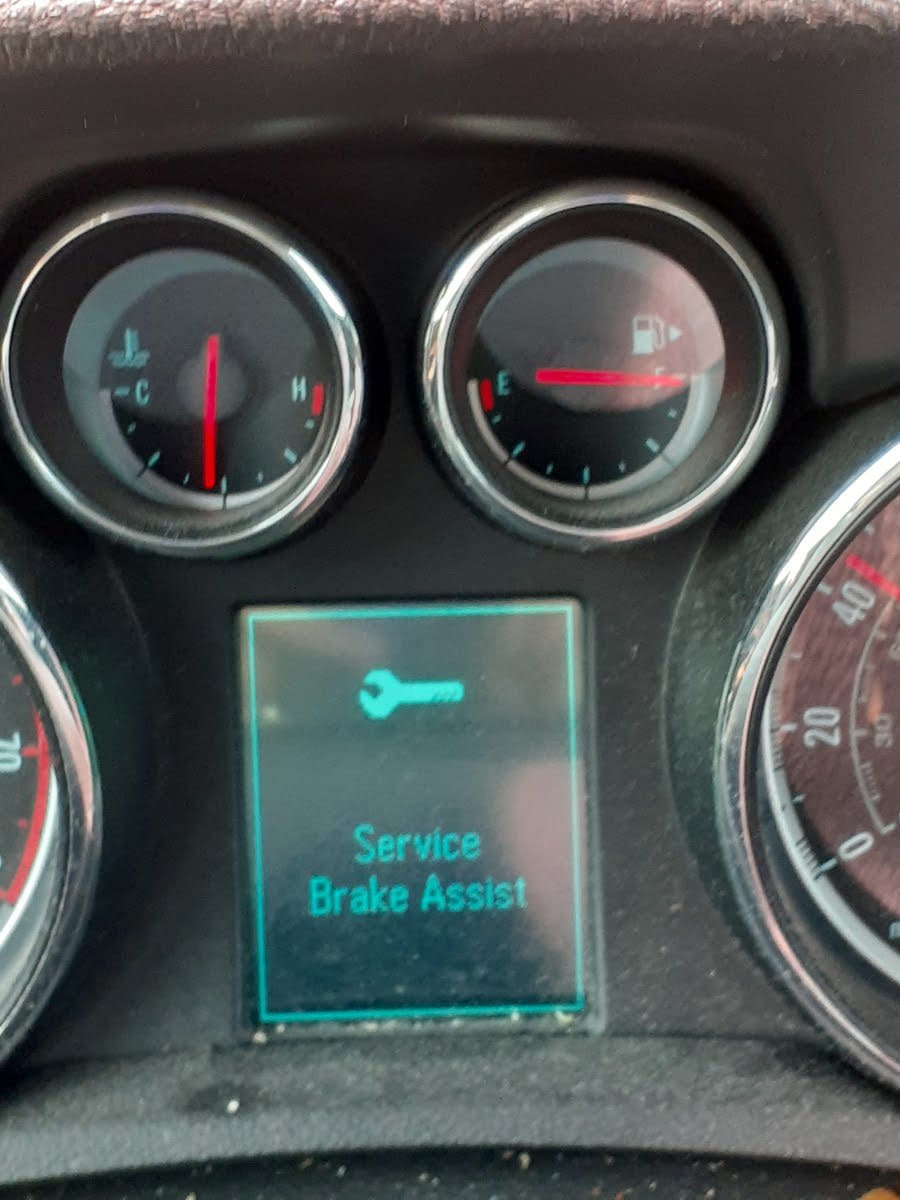
Service brake assist is a critical feature in modern vehicles, providing an extra layer of safety when braking. This system helps enhance braking performance, especially in emergency situations, by detecting when the driver is pressing the brake pedal quickly and applying additional braking force as needed. It’s a technology designed to assist the driver in stopping the vehicle more effectively, reducing the risk of accidents. Let’s delve deeper into how service brake assist works and why it’s a valuable component in ensuring road safety for all drivers.

Everything You Need to Know About Service Brake Assist
Introduction
Imagine you’re driving down the road, and suddenly you need to make a quick stop. Your heart races as you press down hard on the brake pedal. But what if you had a helpful assistant that could amplify your braking power, making your car stop more efficiently and safely? That’s where Service Brake Assist comes into play. In this article, we’ll explore the ins and outs of Service Brake Assist, how it works, why it’s important, and how it can make your driving experience smoother and safer.
What is Service Brake Assist?
Service Brake Assist, also known as Brake Assist System (BAS), is a feature in modern vehicles designed to help drivers stop more effectively in emergency situations. It works by detecting when a driver is making an abrupt or panic stop and then automatically increases the braking force to reduce the stopping distance. This can be a lifesaving feature, especially in situations where every millisecond counts.
How Does Service Brake Assist Work?
Service Brake Assist relies on sensors that monitor the speed at which the brake pedal is pressed and how quickly the vehicle is decelerating. When the system detects a sudden and forceful application of the brakes, it interprets this as an emergency situation and steps in to assist the driver by applying additional braking force. This helps to prevent skidding and improves overall vehicle control during emergency stops.
Benefits of Service Brake Assist
One of the key benefits of Service Brake Assist is its ability to enhance safety on the road. By providing additional braking force during emergency stops, this system helps to reduce the risk of accidents caused by delayed reactions or inadequate braking power. It can also be particularly beneficial for less experienced drivers or those driving in challenging road conditions.
Why Service Brake Assist Matters
Service Brake Assist matters because it can mean the difference between a close call and a collision. In emergency situations, every split second counts, and having that extra boost in braking power can help drivers avoid dangerous situations. With distracted driving on the rise and unexpected hazards always a possibility on the road, having a reliable system like Service Brake Assist can provide an added layer of protection for both drivers and passengers.
Key Components of Service Brake Assist
Service Brake Assist is made up of various components that work together seamlessly to ensure optimal performance. Some of the key components include:
– Brake Sensors: These sensors detect the speed and force of the brake pedal input.
– Hydraulic Control Unit: Responsible for modulating the brake pressure based on sensor inputs.
– Electronic Control Unit: The brain of the system that interprets data from the sensors and activates the additional braking force when needed.
– Brake Booster: Amplifies the force applied to the brake pedal, enhancing overall braking performance.
Service Brake Assist in Action
To illustrate how Service Brake Assist works in real-life scenarios, imagine you’re driving on a rainy day, and suddenly a car cuts in front of you, forcing you to hit the brakes hard. Without Service Brake Assist, you might risk skidding or not coming to a complete stop in time. However, with Service Brake Assist activated, the system detects your sudden braking maneuver and instantly boosts the braking force, allowing you to stop safely and avoid a collision.
How to Maintain Service Brake Assist
Like any other system in your vehicle, Service Brake Assist requires regular maintenance to ensure it functions properly when needed. Here are some tips for maintaining your Service Brake Assist system:
– Follow the manufacturer’s recommended service intervals for brake system inspections.
– Keep an eye on warning lights or messages related to the brake system and address them promptly.
– Avoid overheating your brakes by not riding them constantly or towing heavy loads beyond your vehicle’s capacity.
– Have your brake fluid checked and flushed according to the maintenance schedule.
In conclusion, Service Brake Assist is a valuable safety feature that can make a significant difference in emergency braking situations. By providing additional braking force when needed, this system enhances driver control and reduces the risk of accidents on the road. Whether you’re a new driver or a seasoned pro, having Service Brake Assist in your vehicle can give you added peace of mind and confidence behind the wheel. Remember to maintain your brake system regularly to ensure that Service Brake Assist is always ready to assist when you need it most.
Start driving with confidence knowing that your Service Brake Assist has your back, ready to lend a helping hand in those critical moments when every inch counts. Stay safe, stay aware, and let Service Brake Assist be your trusted ally on the road.
What Does Service Brake Assist Mean? (on Chevy, GMC, Cadillac)
Frequently Asked Questions
What is Service Brake Assist and how does it work?
Service Brake Assist is a safety feature in vehicles designed to assist the driver in applying the brakes effectively during emergency situations. It works by detecting the speed at which the brake pedal is pressed and automatically increases braking pressure to help stop the vehicle more quickly.
How can I tell if there are issues with the Service Brake Assist system?
You may notice warning lights on the dashboard indicating a problem with the Service Brake Assist system. Additionally, if you experience unusual brake pedal behavior, such as softness or delayed responsiveness, it could indicate an issue with the system that requires attention.
What should I do if the Service Brake Assist warning light comes on?
If the Service Brake Assist warning light is illuminated on your dashboard, it is important to have the system checked by a qualified mechanic as soon as possible. Continuing to drive with a potentially malfunctioning brake assist system can compromise your safety on the road.
Final Thoughts
In conclusion, service brake assist is a crucial technology that enhances braking performance and vehicle safety. By providing additional braking force when needed, it helps drivers mitigate potential accidents and stop more effectively. Regularly checking and maintaining your brake system, including the service brake assist feature, is essential for safe driving. Stay proactive and ensure your vehicle’s brake assist system is functioning optimally for a smoother and more secure driving experience.