




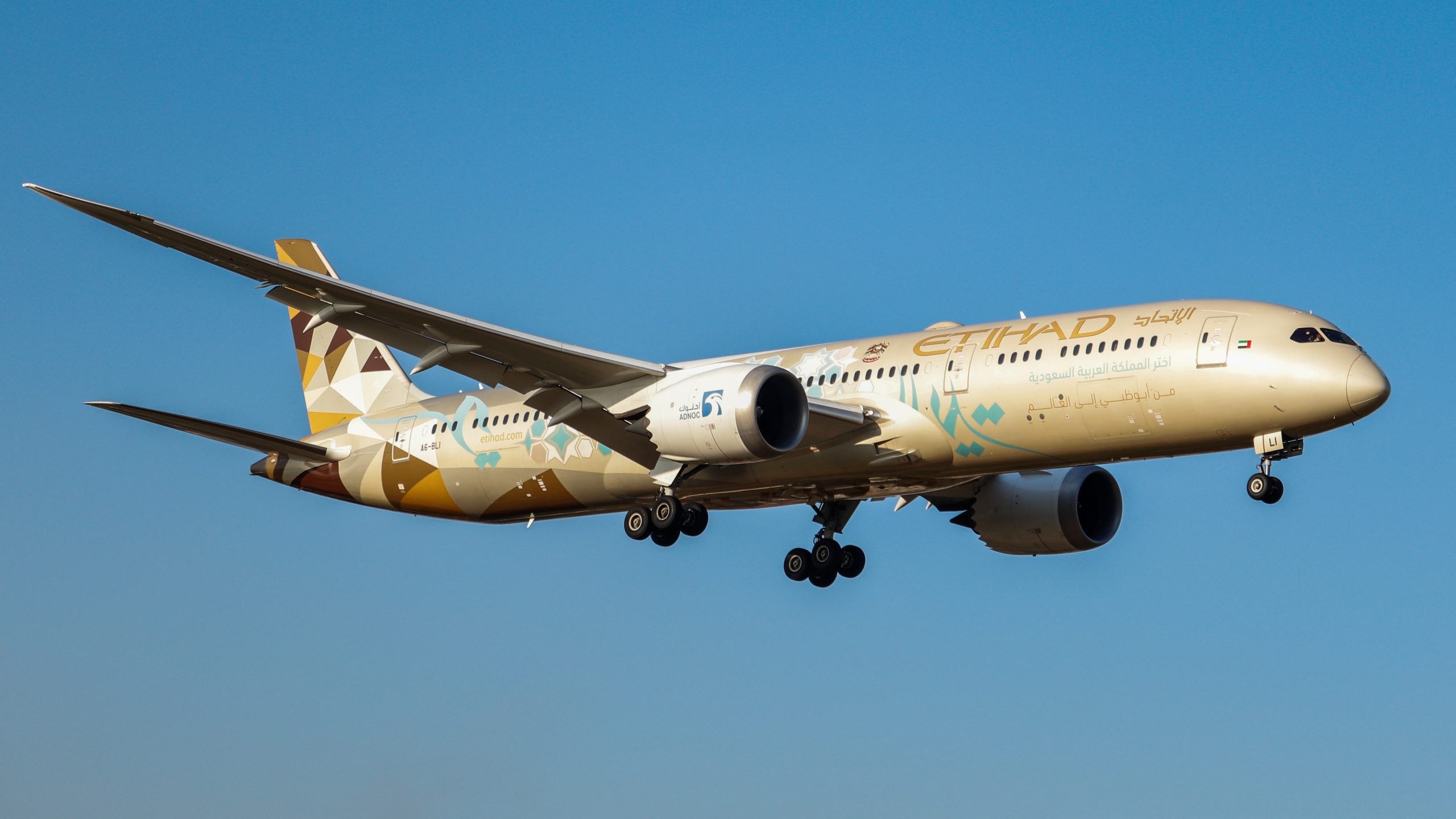
Saudi Arabia aviation market is experiencing significant growth due to airport expansions. This development opens up new investment opportunities for businesses and investors alike.
Overview of Saudi Arabia’s Aviation Market
The aviation sector in Saudi Arabia is experiencing significant growth, driven by the nation’s ambitious plans to enhance its infrastructure and accommodate the increasing demand for air travel. The Saudi Arabia aviation market is becoming an attractive investment opportunity, spurred by government initiatives aimed at diversifying the economy and boosting tourism.
As part of its Vision 2030 initiative, the Kingdom is investing heavily in airport expansions and new projects. Some of the notable developments include:
- Expansion of Existing Airports: Major airports such as King Abdulaziz International Airport in Jeddah and King Khalid International Airport in Riyadh are undergoing extensive upgrades to increase capacity and improve passenger experience.
- New Airport Projects: The construction of new international airports, including the Red Sea International Airport, aims to promote tourism and enhance connectivity.
- Investment in Airlines: National carriers are expanding their fleets and routes, with initiatives to attract international travelers and improve domestic connectivity.
Furthermore, Saudi Arabia’s strategic location as a gateway between Europe, Asia, and Africa enhances its appeal in the global aviation market. With ongoing investments and a commitment to growth, the Saudi Arabia aviation market presents a promising landscape for investors seeking opportunities in the travel and tourism sector.
Recent Airport Expansion Projects
Recent developments in the Saudi Arabia aviation market have highlighted significant airport expansion projects aimed at enhancing the country’s connectivity and boosting tourism. These expansions are strategically designed to accommodate the growing demand for air travel and are expected to create numerous investment opportunities.
Among the notable projects are:
- King Abdulaziz International Airport: The expansion of this airport in Jeddah aims to increase its capacity to handle over 30 million passengers annually. This project is essential for supporting the influx of pilgrims during Hajj and Umrah seasons.
- King Khalid International Airport: Situated in Riyadh, this airport is undergoing a major upgrade to enhance its facilities and increase passenger capacity. The enhancements include the construction of new terminals and state-of-the-art amenities.
- King Fahd International Airport: Located in Dammam, this airport is also set for expansion with plans to improve its operational efficiency and increase the number of flights it can accommodate.
These airport expansion initiatives not only signify the government’s commitment to advancing the Saudi Arabia aviation market but also present lucrative opportunities for investors looking to capitalize on the country’s growing role as a regional aviation hub.
Investment Opportunities in Aviation
The Saudi Arabia aviation market presents a plethora of investment opportunities, driven by the country’s ambitious Vision 2030 initiative, which seeks to diversify the economy and enhance the tourism sector. With significant investments in airport infrastructure and the establishment of new airlines, the landscape is ripe for both domestic and international investors.
Key areas of investment include:
- Airport Infrastructure: Ongoing airport expansion projects aim to increase capacity and improve passenger experience, making it an attractive area for investment in construction, technology, and services.
- Airline Development: The emergence of new airlines and the expansion of existing ones create opportunities for partnerships and investment in fleet acquisition and operational efficiency.
- Tourism Services: As the government encourages tourism, there is a growing need for services such as hospitality, transport, and entertainment that cater to incoming travelers.
- Logistics and Cargo: The increase in air freight demands due to the rise of e-commerce offers opportunities in logistics and cargo services, essential for connecting global markets.
With the Saudi Arabia aviation market poised for growth, investors have a unique chance to capitalize on these developments, making it a potentially lucrative sector for future investments.
Impact of Expansion on Logistics
The expansion of the aviation sector in Saudi Arabia is creating significant ripple effects in the logistics industry. As more airports undergo upgrades and new facilities are constructed, the demand for efficient logistics solutions is rapidly increasing. This transformation is not only enhancing connectivity but also optimizing supply chains across the region.
Several key factors are contributing to the positive impact on logistics:
- Increased Capacity: With the expansion of airports, the capacity to handle cargo will rise substantially. This means businesses can expect faster turnaround times and more reliable service.
- Improved Infrastructure: Investments in modern cargo handling facilities and technology are streamlining operations, reducing delays and costs associated with logistics.
- Strategic Location: Saudi Arabia’s geographical position makes it a natural hub for trade between Europe, Asia, and Africa, further enhancing its logistics capabilities.
- Regulatory Support: The government is actively promoting policies that support the logistics sector, making it easier for companies to operate efficiently.
As the Saudi Arabia aviation market continues to grow, businesses involved in logistics and supply chain management stand to benefit immensely. This synergy between aviation and logistics not only strengthens the economy but also presents a compelling investment opportunity for stakeholders looking to capitalize on this expanding market.
Future Trends in the Aviation Sector
The Saudi Arabia aviation market is poised for significant transformation as several trends emerge, shaping the future landscape of air travel and investment opportunities. One of the most notable trends is the increasing focus on sustainability within the aviation sector. Airlines and airports are actively seeking to reduce their carbon footprint, with initiatives aimed at incorporating sustainable aviation fuels and more efficient air traffic management systems.
Additionally, the rise of digital technologies is revolutionizing the passenger experience. Smart airports equipped with advanced technologies such as biometric screening, artificial intelligence, and data analytics are becoming the norm. These innovations not only enhance security but also streamline operations, making travel more efficient and enjoyable.
Moreover, the growth of low-cost carriers is expected to expand the market further. By offering affordable travel options, these airlines are attracting a broader demographic, which could lead to an increase in domestic and international tourism. This trend aligns with Saudi Arabia’s Vision 2030 initiative, which aims to diversify the economy and promote tourism as a key sector.
Lastly, the government’s continued investment in the aviation infrastructure, including new airports and modernization of existing facilities, is set to bolster the Saudi Arabia aviation market significantly. As these trends unfold, they create a compelling case for investors looking to capitalize on the burgeoning aviation sector in the region.
Challenges Facing the Aviation Market
As the Saudi Arabia aviation market continues to grow, several challenges could impact its long-term success. These challenges must be addressed to ensure that the potential of this burgeoning sector is fully realized.
- Regulatory Hurdles: The aviation market in Saudi Arabia is subject to a complex regulatory framework that can hinder investment and expansion efforts. Navigating these regulations requires expertise and can lead to delays in project implementation.
- Infrastructure Development: While recent airport expansions have been promising, further improvement in ground handling and air traffic management systems is essential. Inadequate infrastructure can lead to inefficiencies and affect the overall passenger experience.
- Competition from Regional Players: The Saudi Arabia aviation market faces stiff competition from neighboring countries, particularly in the Gulf region. Competitors often offer attractive incentives to airlines and investors, making it crucial for Saudi Arabia to enhance its offerings.
- Economic Fluctuations: Dependency on oil revenues makes the aviation market vulnerable to economic downturns. Fluctuating oil prices can impact consumer spending and, consequently, air travel demand.
- Environmental Concerns: Increasing scrutiny over carbon emissions poses a challenge for the aviation sector. Stakeholders must find a balance between growth and sustainable practices to address environmental impacts.
By Royed bin masud via Openverse