




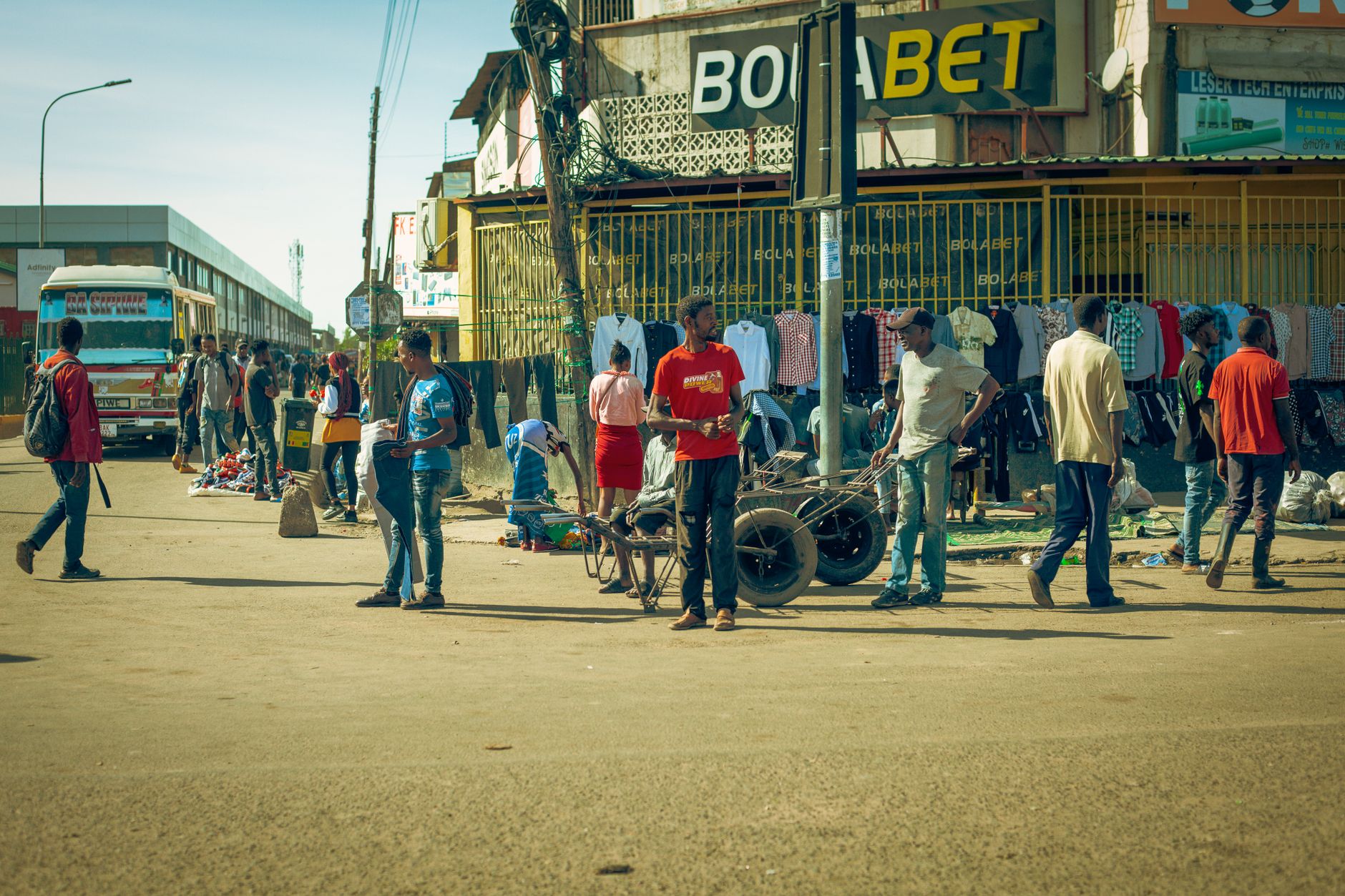
Informal economy growth is a pressing issue as the recent tax split widens the gap for many workers. This change poses significant challenges for formal employment and fiscal policies.
Understanding the Informal Economy
The informal economy encompasses a vast array of economic activities that occur outside the formal regulatory framework. Often characterized by small-scale operations, this sector includes street vendors, freelance workers, and unregistered businesses.
As the informal economy continues to grow, understanding its dynamics becomes crucial for policymakers and economists. This growth presents both opportunities and challenges. On one hand, it can provide employment and income to those who may struggle to enter the formal labor market. On the other hand, it often lacks the protections and benefits that formal employment typically offers.
Key factors contributing to the growth of the informal economy include:
- Regulatory Barriers: Excessive bureaucracy can drive entrepreneurs to operate outside the law.
- Economic Instability: In times of economic downturn, individuals may turn to informal work as a survival strategy.
- Lack of Access to Capital: Many small business owners in the informal sector face difficulties in securing loans or financial assistance.
As we explore the implications of tax splits, it is essential to consider how they may further influence informal economy growth.
The Effects of Tax Split on Employment
The recent tax split has raised significant concerns regarding its effects on employment within the informal economy. As businesses navigate this new tax landscape, many are reconsidering their operational structures.
One major outcome is the potential for increased job creation in the informal sector. As traditional employment opportunities face higher tax burdens, more individuals may turn to informal work. This shift can lead to:
- Flexibility: Workers may appreciate the ability to choose their hours and workloads.
- Accessibility: The informal economy often provides opportunities for those who struggle to find jobs in the formal sector.
- Innovation: New business models may emerge as individuals seek to capitalize on niche markets.
However, the growth of the informal economy is not without drawbacks. Many workers in this sector lack access to benefits such as health insurance or retirement plans. Additionally, the lack of regulation can lead to exploitation and job insecurity.
As the informal economy continues to grow in response to the tax split, understanding its implications on employment becomes crucial for policymakers and workers alike.
Challenges of Informal Economy Growth
The growth of the informal economy presents several challenges that cannot be overlooked. As the informal sector expands, it often leads to significant issues for both workers and the broader economy.
- Lack of Social Protections: Workers in the informal economy typically do not have access to essential benefits such as healthcare, retirement plans, or unemployment insurance. This can leave them vulnerable to financial instability.
- Tax Evasion: The expansion of the informal economy often results in reduced tax revenues for governments, making it difficult to fund public services. This lack of taxation can perpetuate a cycle of underfunded infrastructure and social programs.
- Job Insecurity: Informal workers usually operate without formal contracts, leading to job insecurity. Without legal protections, they can be easily exploited and have limited recourse against unfair treatment.
- Regulatory Challenges: The growth of the informal economy complicates regulatory efforts, as it becomes harder for authorities to monitor and enforce labor standards and business practices.
As the informal economy grows, addressing these challenges becomes crucial to ensure sustainable economic development and protect workers’ rights.
Government Responses to Economic Changes
In response to the rapid growth of the informal economy, governments worldwide are reevaluating their economic policies and tax structures. The rise of informal sectors has prompted officials to consider innovative approaches that balance regulation and support for these businesses. Recognizing that informal economy growth can contribute significantly to job creation and economic resilience, many countries are exploring various strategies.
- Incentives for Formalization: Some governments are offering tax breaks and simplified registration processes to encourage informal workers to transition to formal employment.
- Education and Training: Programs aimed at providing skills training and financial literacy are being introduced to empower informal workers and help them navigate the formal economy.
- Collaboration with Informal Sectors: By engaging with informal business leaders, governments can better understand their needs and develop policies that foster growth without stifling innovation.
- Social Protection Initiatives: Expanding access to social protection for informal workers can mitigate the risks associated with their employment, promoting a more stable economic environment.
These government responses are essential in addressing the challenges posed by informal economy growth while maximizing its potential benefits.
The recent analysis highlights how informal economy growth can significantly influence local businesses and employment rates. Understanding the implications of tax split policies is essential for managing the effects of informal economy growth on overall economic stability.
Photo by Mwakapila Victor on Pexels