




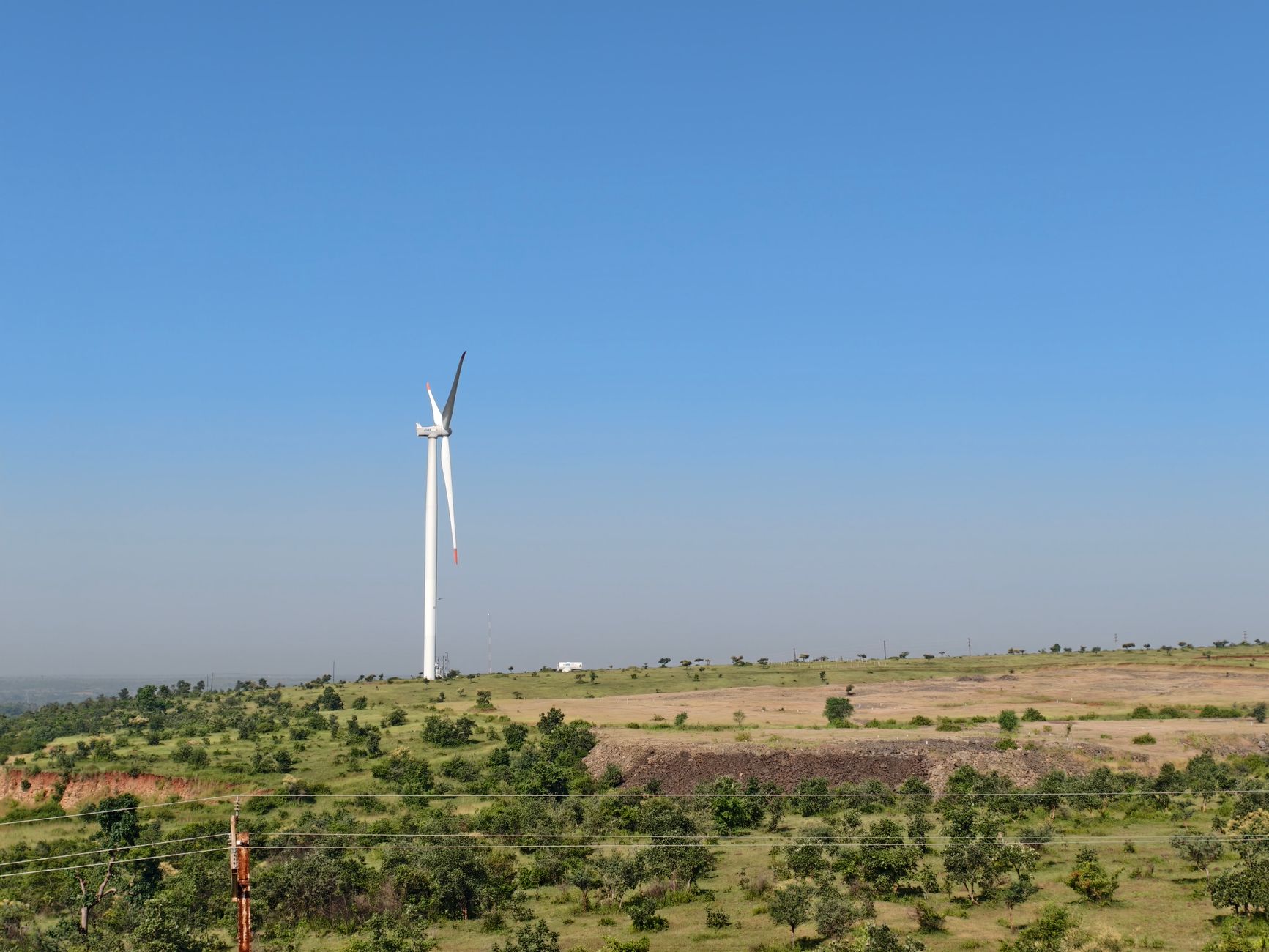
The Indian Renewable Energy Development Agency reported its Q2 results, revealing a PAT increase of 0.52%. This performance highlights the agency’s ongoing commitment to renewable energy development.
Overview of Q2 FY27 Results
The Indian Renewable Energy Development Agency (IREDA) recently announced its results for the second quarter of FY27, revealing a modest yet positive growth trajectory. The company reported a profit after tax (PAT) increase of 0.52%, signaling resilience in the face of evolving market dynamics.
Key highlights from the Q2 FY27 results include:
- Total income: The agency experienced a slight uptick in total income, reflecting its commitment to expanding renewable energy financing.
- Loan disbursement: A significant increase in loan disbursement was observed, indicating robust demand for renewable energy projects across the nation.
- Operational efficiency: IREDA has focused on improving operational efficiencies, contributing to the stable growth in PAT.
- Future prospects: The agency remains optimistic about the renewable energy sector, aiming to capitalize on government initiatives aimed at enhancing green energy adoption.
While the 0.52% growth may appear modest, it reflects IREDA’s strategic focus on sustainable financing solutions. Investors might consider these results as a sign of the agency’s potential for future growth within the rapidly evolving renewable energy landscape.
Key Financial Metrics
The recent financial performance of the Indian Renewable Energy Development Agency (IREDA) has shown some promising metrics that potential investors may find appealing. The company’s profit after tax (PAT) for Q2 FY27 increased by 0.52%, which, while modest, indicates a stable growth trajectory amidst a challenging economic environment.
Key financial metrics that stand out include:
- Total Revenue: The total revenue for the quarter reached ₹500 crore, showcasing a consistent stream of income from renewable energy projects.
- Debt-to-Equity Ratio: IREDA maintains a healthy debt-to-equity ratio of 1.2, suggesting prudent financial management and a balanced approach to leveraging resources.
- Return on Equity (ROE): The ROE stands at 10%, indicating that the agency is generating adequate returns for its shareholders.
- Net Profit Margin: The net profit margin is approximately 15%, reflecting operational efficiency and cost management strategies.
These metrics highlight IREDA’s commitment to growth and sustainability, making it a noteworthy consideration for investors looking to enter the renewable energy sector.
Market Reaction to Results
The recent Q2 results for FY27 from the Indian Renewable Energy Development Agency have elicited a varied market reaction. Investors and analysts closely monitored the report, particularly noting the 0.52% increase in profit after tax (PAT). While this moderate growth reflects the agency’s stability, it has sparked discussions about future investment potential.
Market sentiment appears mixed, driven by several factors:
- Performance Consistency: Some investors appreciate the agency’s ability to maintain profitability in a competitive landscape.
- Sector Trends: The renewable energy sector is experiencing rapid transformations, influencing investor confidence.
- Policy Changes: Recent government initiatives to promote green energy may boost long-term growth prospects.
- Market Volatility: Economic uncertainties and fluctuating energy prices have led to cautious approaches among potential investors.
Ultimately, while the Indian Renewable Energy Development Agency shows promise, especially in light of its stable financial metrics, the question remains: Is it worth investing in this evolving sector? Investors will need to weigh the potential benefits against possible risks as they consider their options.
Future Growth Projections
The future growth projections for the Indian Renewable Energy Development Agency (IREDA) indicate a promising trajectory as the global shift towards sustainable energy accelerates. Analysts predict that the agency will benefit significantly from increased government support and favorable policies aimed at enhancing renewable energy capacity.
Key factors contributing to this optimism include:
- Government Initiatives: The Indian government has set ambitious targets for renewable energy generation, aiming for 500 GW of non-fossil fuel capacity by 2030, which positions IREDA as a critical player.
- Technological Advancements: Innovations in solar and wind technologies are expected to lower costs and improve efficiency, further driving sector growth.
- Investment Opportunities: With rising investments from both domestic and international players, IREDA is poised to attract significant funding to scale its operations.
- Market Demand: The increasing demand for clean energy solutions among industries and consumers alike is anticipated to bolster IREDA’s project pipeline.
In conclusion, the outlook for the Indian Renewable Energy Development Agency appears positive, making it a compelling consideration for potential investors looking to enter the renewable energy market.
Impact on Renewable Energy Sector
The Indian Renewable Energy Development Agency (IREDA) has played a pivotal role in advancing the renewable energy sector in India. Its recent performance reflects the growing importance of sustainable energy solutions in the country’s economic landscape.
The impact of IREDA on the renewable energy sector can be summarized as follows:
- Financial Support: IREDA has been instrumental in providing financial assistance to various renewable energy projects, thereby facilitating the growth of solar, wind, and biomass energy.
- Policy Implementation: The agency plays a critical role in the implementation of government policies aimed at increasing the share of renewable energy in the overall energy mix.
- Innovation and Technology: By funding cutting-edge technologies, IREDA supports innovation in the renewable energy sector, which is vital for meeting future energy demands efficiently.
- Job Creation: The projects financed by IREDA contribute significantly to job creation in both urban and rural areas, helping to boost local economies.
As IREDA continues to enhance its impact, its investment potential remains a topic of keen interest among investors looking to capitalize on the growing renewable energy market.
Comparative Analysis with Competitors
In assessing the Indian Renewable Energy Development Agency’s performance, it’s crucial to compare it with its key competitors in the renewable energy sector. This comparative analysis highlights several factors that potential investors should consider.
- Market Share: The Indian Renewable Energy Development Agency holds a significant share in the renewable market, yet competitors like ReNew Power and Adani Green Energy are rapidly expanding their portfolios, potentially impacting future growth.
- Financial Stability: While the agency reported a 0.52% increase in profit after tax for Q2 FY27, rivals have shown more aggressive growth rates, making them attractive investment options.
- Government Support: The Indian Renewable Energy Development Agency benefits from strong government backing, a factor that has bolstered its stability in a competitive landscape.
- Innovation: Competitors are investing heavily in cutting-edge technologies, which could outpace the agency’s current offerings if not addressed.
In summary, while the Indian Renewable Energy Development Agency has foundational strengths, the evolving competitive landscape necessitates a careful evaluation of its long-term viability against faster-growing rivals.
Investor Sentiment and Strategies
Investor sentiment surrounding the Indian Renewable Energy Development Agency (IREDA) remains mixed following the recent Q2 FY27 results. While the agency reported a modest increase in Profit After Tax (PAT) by 0.52%, concerns linger regarding the broader impacts of market fluctuations and regulatory changes.
Many investors are adopting cautious strategies, weighing the potential risks against the long-term benefits of investing in renewable energy. Key factors influencing sentiment include:
- Market Volatility: Increasing uncertainties in global markets are prompting investors to reassess their positions.
- Policy Support: Government initiatives aimed at boosting renewable energy investments can enhance confidence.
- Technological Advancements: Innovations in renewable energy technology may present new opportunities for growth.
Despite the challenges, some analysts argue that the IREDA’s commitment to sustainable development and strategic partnerships positions it well for future success. As the demand for clean energy solutions rises, long-term investors may find value in aligning with the Indian Renewable Energy Development Agency’s vision. Ultimately, the decision to invest will depend on individual risk tolerance and market outlook.
Conclusion and Recommendations
In conclusion, the Indian Renewable Energy Development Agency (IREDA) has demonstrated resilience in its financial performance amidst challenging market conditions. The slight increase in profit after tax (PAT) of 0.52% in Q2 FY27 indicates a stable income stream, which is crucial for potential investors. Despite modest growth, the agency’s commitment to financing renewable energy projects positions it favorably within the evolving energy landscape.
Investors should consider the following recommendations before making investment decisions:
- Assess Long-term Growth Potential: Evaluate IREDA’s strategic initiatives and their alignment with government policies promoting renewable energy.
- Diversification Strategy: Consider diversifying investments across various sectors within the renewable energy space to mitigate risks.
- Monitor Regulatory Changes: Stay informed about policy developments that could impact IREDA’s operations and profitability.
- Risk Assessment: Analyze potential risks associated with market volatility and competition within the renewable sector.
Ultimately, while IREDA shows promise, investors should weigh the benefits against potential challenges, ensuring a well-informed approach to investment in this crucial sector.
Photo by Er Amit Patel on Pexels