




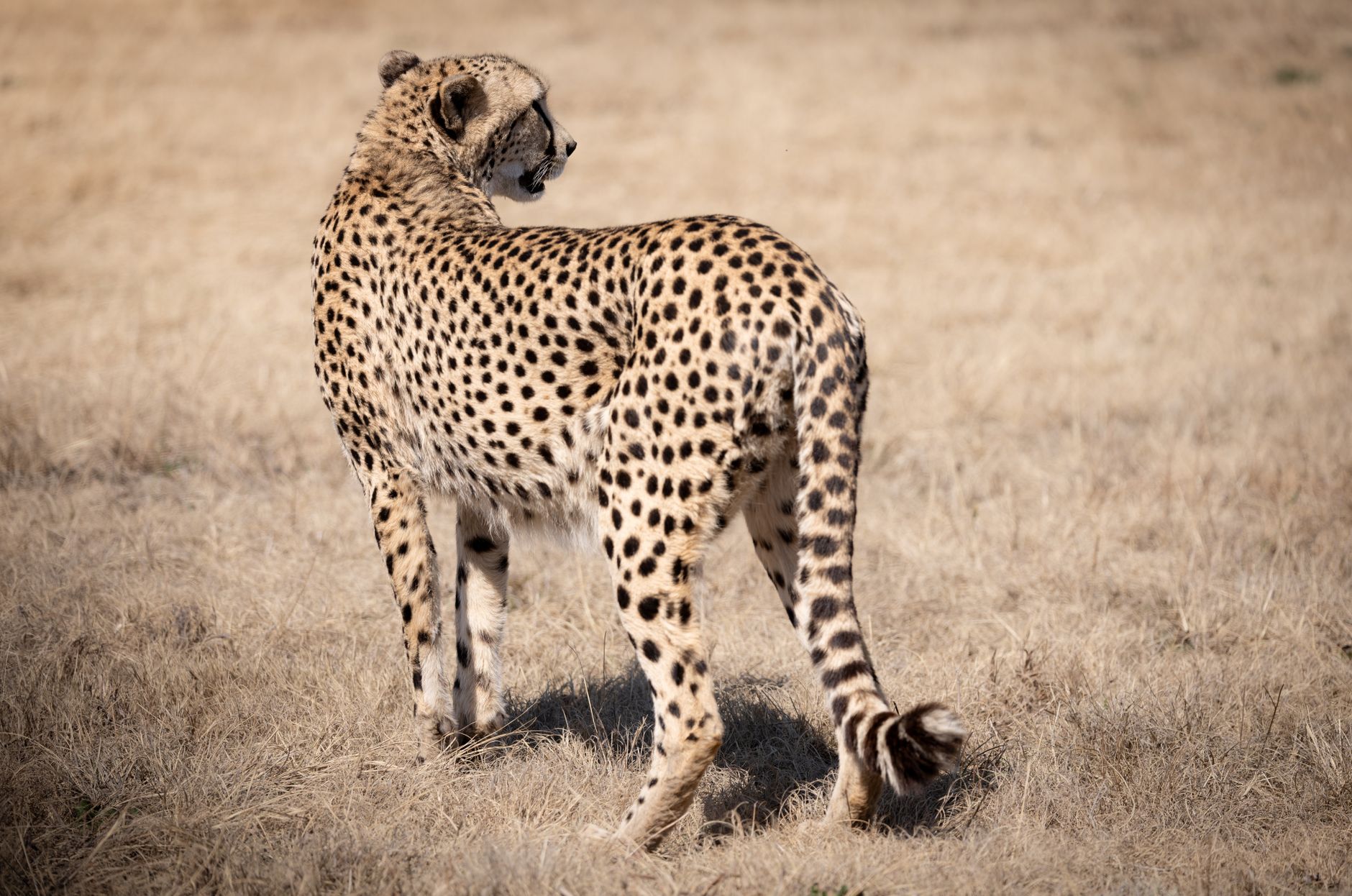
The American cheetah was once thought to be a true cheetah, but recent studies show that the American cheetah was not a cheetah after all. This discovery reshapes our understanding of extinct species.
What is the American cheetah?
The American cheetah, once thought to be a close relative of the modern cheetah, is actually a distinct species that roamed North America during the Pleistocene epoch. Unlike its African counterpart, the American cheetah belonged to the genus Miracinonyx, which showcases significant differences in its evolutionary lineage. Researchers have long debated the exact classification of this large feline, leading to misconceptions about its behavior and physical characteristics.
Fossil evidence suggests that the American cheetah was built for speed, similar to its modern namesake. However, it also exhibited unique traits that set it apart. Key features of the American cheetah included:
- A more robust skull structure
- Longer limbs compared to other large cats
- A different dental structure
These anatomical distinctions indicate that the American cheetah was not a direct descendant of the cheetah we know today. Instead, it likely evolved separately, adapting to its environment in ways that suited its hunting strategies. This revelation prompts scientists to reevaluate not only the American cheetah’s classification but also the ecological roles it played during its existence, ultimately reshaping our understanding of prehistoric predators.
New discoveries about extinct species
Recent findings have shed light on the evolutionary history of the American cheetah, challenging long-held beliefs about its classification. Researchers have conducted extensive analyses of fossil records, revealing surprising insights into this extinct species.
Previously considered a close relative of the modern cheetah, evidence now suggests that the American cheetah was more closely related to the jaguar and puma. This discovery raises questions about how these animals adapted to their environments and the ecological roles they played in prehistoric North America.
Key discoveries include:
- Fossilized remains have shown distinct anatomical features that align more with pumas than with true cheetahs.
- Genetic studies indicate a divergence from the lineage of current cheetahs, suggesting a unique evolutionary path.
- Analysis of their hunting patterns reveals they may have relied on different strategies than modern cheetahs, possibly adapting to a varied prey base.
This new understanding invites a reevaluation of the adaptations and behaviors of the American cheetah, as scientists explore how it fit into the larger ecosystem of its time. The implications of these discoveries could influence how we perceive the evolution of big cats and their relatives in the fossil record.
How did scientists reach this conclusion?
Scientists reached the conclusion that the American cheetah was misclassified through a combination of fossil analysis and advanced genetic testing. By examining skeletal remains, researchers identified key differences between the American cheetah and true cheetahs. The most notable distinctions were found in the structure of the skull and limbs, which suggested that the American cheetah was more closely related to other large cats, such as cougars and jaguars, rather than to the modern cheetah.
Further investigations included:
- DNA sequencing: Scientists extracted ancient DNA from well-preserved fossils, allowing them to compare genetic markers with those of existing feline species.
- Biomechanical studies: Analysis of the animal’s limb proportions provided insights into its hunting strategies and locomotion, indicating a different evolutionary path.
- Ecological context: The habitat of the American cheetah was also examined, revealing a diverse ecosystem in which it thrived, contributing to the argument that it was not a direct relative of the African cheetah.
These findings collectively challenged long-standing assumptions about the American cheetah. As more evidence emerged, the scientific community began to reconsider the classification of this fascinating extinct species.
The significance of the findings
The recent findings regarding the American cheetah have significant implications for our understanding of extinct species and their ecological roles. This revelation challenges long-held assumptions about the evolutionary lineage of the American cheetah, which was previously believed to be closely related to modern cheetahs. Instead, new research indicates that it may have been more akin to the leopard or other big cats.
These findings are crucial for several reasons:
- Reevaluation of Evolutionary Relationships: The misclassification of the American cheetah prompts scientists to reassess the evolutionary relationships among various feline species, leading to a more accurate tree of life.
- Insights into Ecosystem Dynamics: Understanding the true nature of the American cheetah may shed light on the predatory roles and interactions these animals had with contemporary species, influencing models of past ecosystems.
- Implications for Conservation: Recognizing the American cheetah’s true lineage can inform conservation efforts for existing big cat populations, highlighting the importance of genetic diversity within the Felidae family.
Ultimately, these discoveries not only reshape our perspective of the American cheetah but also invite further investigation into the evolutionary history of mammals in North America.
Comparing the American cheetah to modern cheetahs
The recent findings regarding the American cheetah have prompted a re-evaluation of its characteristics in comparison to modern cheetahs. While both share the name “cheetah,” their evolutionary paths and physical attributes reveal significant differences.
- Genetic Differences: The American cheetah, scientifically classified as Miracinonyx, is genetically distinct from the modern African cheetah (Acinonyx jubatus). Research indicates that the American cheetah is more closely related to jaguars and cougars than to its namesake.
- Physical Characteristics: Unlike modern cheetahs known for their slender build and unique adaptations for speed, the American cheetah exhibited a more robust body structure. This adaptation suggests different hunting strategies and environmental interactions.
- Habitat Preferences: The American cheetah lived in a variety of habitats across North America, including open grasslands and forests, demonstrating a versatility not typically associated with the specialized habitat preferences of today’s cheetahs.
- Extinction Factors: Understanding the reasons behind the extinction of the American cheetah involves examining climate changes and competition with other predators, which starkly contrasts with the conservation challenges faced by modern cheetahs today.
These comparisons highlight the complexity of the American cheetah’s legacy and the importance of accurate classifications in understanding evolutionary history.
Implications for understanding evolution
The recent revelations regarding the American cheetah challenge established notions about feline evolution and adaptability. As researchers delve deeper into the lineage of this extinct species, the implications for understanding evolution become increasingly significant.
Firstly, the misclassification of the American cheetah sheds light on the complexities of evolutionary relationships among big cats. Unlike modern cheetahs, which belong to the Acinonyx genus, the American cheetah was more closely related to the puma and jaguar. This unexpected connection raises questions about how environmental pressures and ecological niches influence species development.
Additionally, these findings suggest that traits commonly associated with cheetahs, such as speed and hunting strategies, may not have been exclusive to true cheetahs. The adaptations of the American cheetah could have evolved through different evolutionary paths, highlighting the diverse strategies that species employ to survive in various habitats.
Furthermore, understanding the American cheetah’s place in the evolutionary tree can provide insights into the role of climate change and habitat loss in shaping species. As environments transform, the lessons learned from this extinct species may inform current conservation efforts for modern big cats, emphasizing the interconnectedness of all feline species.
Public interest in extinct animals
The fascination with extinct animals continues to captivate the public, as evidenced by the recent discussions surrounding the American cheetah. This interest not only highlights our desire to understand the past but also reflects a broader curiosity about how these creatures once thrived in their ecosystems.
Many people are drawn to the unique characteristics and stories of extinct animals, often romanticizing their existence. The American cheetah, once thought to be a direct relative of today’s cheetah, has sparked renewed interest among researchers and enthusiasts alike. As new findings emerge, the narrative surrounding this animal is reshaped, challenging previous assumptions.
Public engagement with extinction events often leads to greater awareness of conservation efforts. As individuals learn about the American cheetah’s place in the evolutionary timeline, they become more invested in the protection of current species facing threats. The discussions surrounding the misclassification of the American cheetah serve as a case study in the importance of accurate scientific understanding.
- Increased public interest can lead to funding for research.
- Awareness of extinction can motivate conservation efforts.
- Understanding the past helps to protect the future of wildlife.
Ultimately, the story of the American cheetah exemplifies how our connection to extinct species can illuminate the complexities of evolution and biodiversity.
Future research directions
As researchers continue to unravel the complexities surrounding the American cheetah, future studies aim to deepen our understanding of this fascinating extinct species. The recent revelations regarding its classification have prompted scientists to reconsider various aspects of its biology and ecology.
Future research directions may include:
- Genetic Analysis: Advancements in ancient DNA extraction techniques could provide insights into the genetic makeup of the American cheetah, allowing scientists to compare it more accurately with both modern cheetahs and other related species.
- Fossil Studies: Continued excavation and analysis of fossil remains may reveal additional morphological characteristics that could help clarify the evolutionary lineage of the American cheetah.
- Ecological Impact: Understanding the role of the American cheetah within its ecosystem is crucial. Future studies may explore its prey preferences and competition with other predators to paint a clearer picture of its ecological niche.
- Climate Adaptation: Investigating how the American cheetah adapted to changing climatic conditions could provide valuable insights into the resilience of species in the face of environmental changes.
Ultimately, these research directions will not only enhance our comprehension of the American cheetah but also contribute to the broader field of evolutionary biology.
Photo by Magda Ehlers on Pexels