




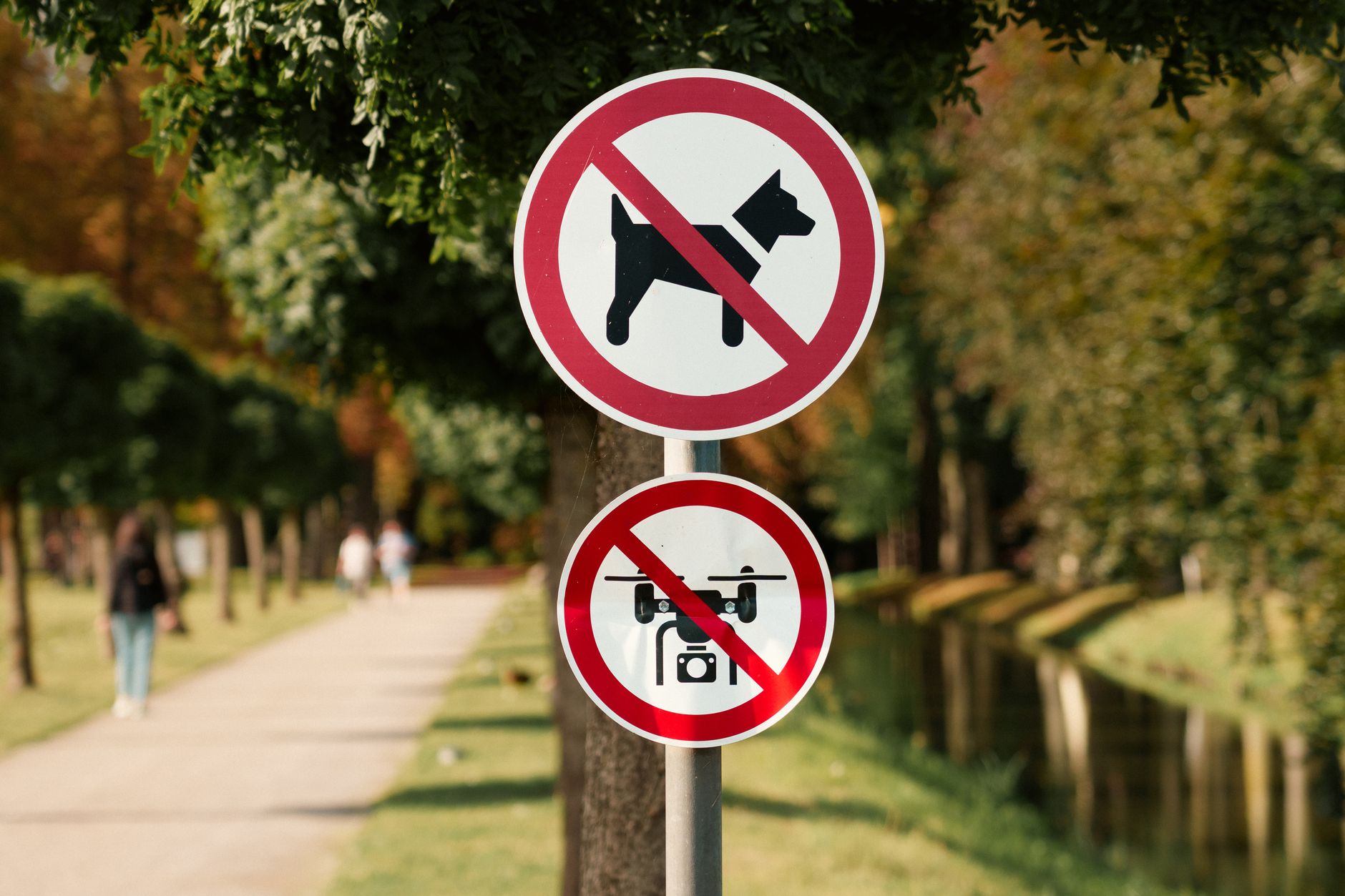
India Drone Rules are essential for pilots to understand the regulations surrounding drone operations. This article outlines what you need to know.
Understanding India Drone Rules
The introduction of the India Drone Rules marks a significant step in the regulation of unmanned aerial vehicles (UAVs) in the country. These rules are designed to ensure the safe operation of drones while promoting innovation in the aviation sector. Understanding India Drone Rules is crucial for pilots and operators who wish to navigate the skies legally and efficiently.
Key aspects of the rules include:
- Registration and Licensing: All drones must be registered with the Directorate General of Civil Aviation (DGCA) and operators must obtain a Unmanned Aircraft Operator Permit (UAOP).
- Flight Zones: Drones are categorized into different flight zones, with restrictions in place for flying in sensitive areas such as military zones and airports.
- Insurance Requirements: Pilots are required to have adequate insurance coverage to mitigate risks associated with drone operations.
- Compliance and Penalties: Non-compliance with the rules can result in penalties, including fines and suspension of operating licenses.
By adhering to the India Drone Rules, pilots can ensure safe and responsible usage of drones, contributing positively to the evolving landscape of aerial technology in India.
Key Regulations for Drone Pilots
India’s drone landscape is governed by a comprehensive set of regulations aimed at ensuring safety and accountability among pilots. Here are some of the key regulations for drone pilots under the India Drone Rules:
- Registration: All drones must be registered with the Directorate General of Civil Aviation (DGCA) to operate legally.
- Remote Pilot License: Pilots are required to obtain a Remote Pilot License, which involves completing a training program and passing an examination.
- Altitude Limits: Drones are restricted to a maximum altitude of 120 meters (400 feet) above ground level to avoid interference with manned aircraft.
- No-Fly Zones: Pilots must be aware of and respect designated no-fly zones, which include areas around airports, military installations, and sensitive locations.
- Insurance: It is mandatory for drone operators to have third-party liability insurance to cover potential damages caused by their drones.
Adhering to these regulations is crucial for maintaining safety in the skies and ensuring the responsible use of drones under the India Drone Rules.
Benefits of Complying with India Drone Rules
Complying with the India Drone Rules offers numerous advantages for drone pilots and operators, fostering a safer and more organized airspace. Here are some key benefits:
- Legal Protection: Adhering to the rules ensures that pilots operate within legal frameworks, reducing the risk of fines or legal action.
- Enhanced Safety: The regulations promote safety measures that help prevent accidents and incidents, protecting both pilots and the public.
- Access to Airspace: Compliance can facilitate smoother access to designated airspace, allowing for more opportunities in commercial and recreational drone use.
- Insurance Benefits: Many insurance providers offer better rates and coverage for pilots who demonstrate adherence to regulations, providing peace of mind.
- Professional Credibility: Following the India Drone Rules can enhance a pilot’s reputation, making them more attractive to potential clients and employers.
In summary, adhering to the India Drone Rules not only ensures compliance but also enhances operational efficiency, safety, and credibility for drone pilots in India.
Safety Measures for Aerial Operations
Ensuring safety during aerial operations is paramount for drone pilots in India. The India Drone Rules emphasize the importance of adhering to safety measures to protect both people and property on the ground. Here are some essential safety practices that every pilot should follow:
- Pre-Flight Checks: Conduct thorough pre-flight inspections to ensure all equipment is functioning correctly, including battery levels and GPS connectivity.
- Flight Zones: Familiarize yourself with no-fly zones and restricted areas, as outlined in the India Drone Rules, to avoid legal complications.
- Weather Conditions: Always check weather forecasts before flying. Avoid flying in high winds, rain, or fog to minimize risks.
- Altitude Restrictions: Adhere to altitude limits set by regulations to avoid collisions with manned aircraft.
- Emergency Procedures: Prepare for emergencies by having a clear plan for potential malfunctions or sudden weather changes.
By implementing these safety measures, drone pilots can contribute to the responsible use of drones and ensure compliance with the India Drone Rules.
Photo by Jakub Zerdzicki on Pexels