




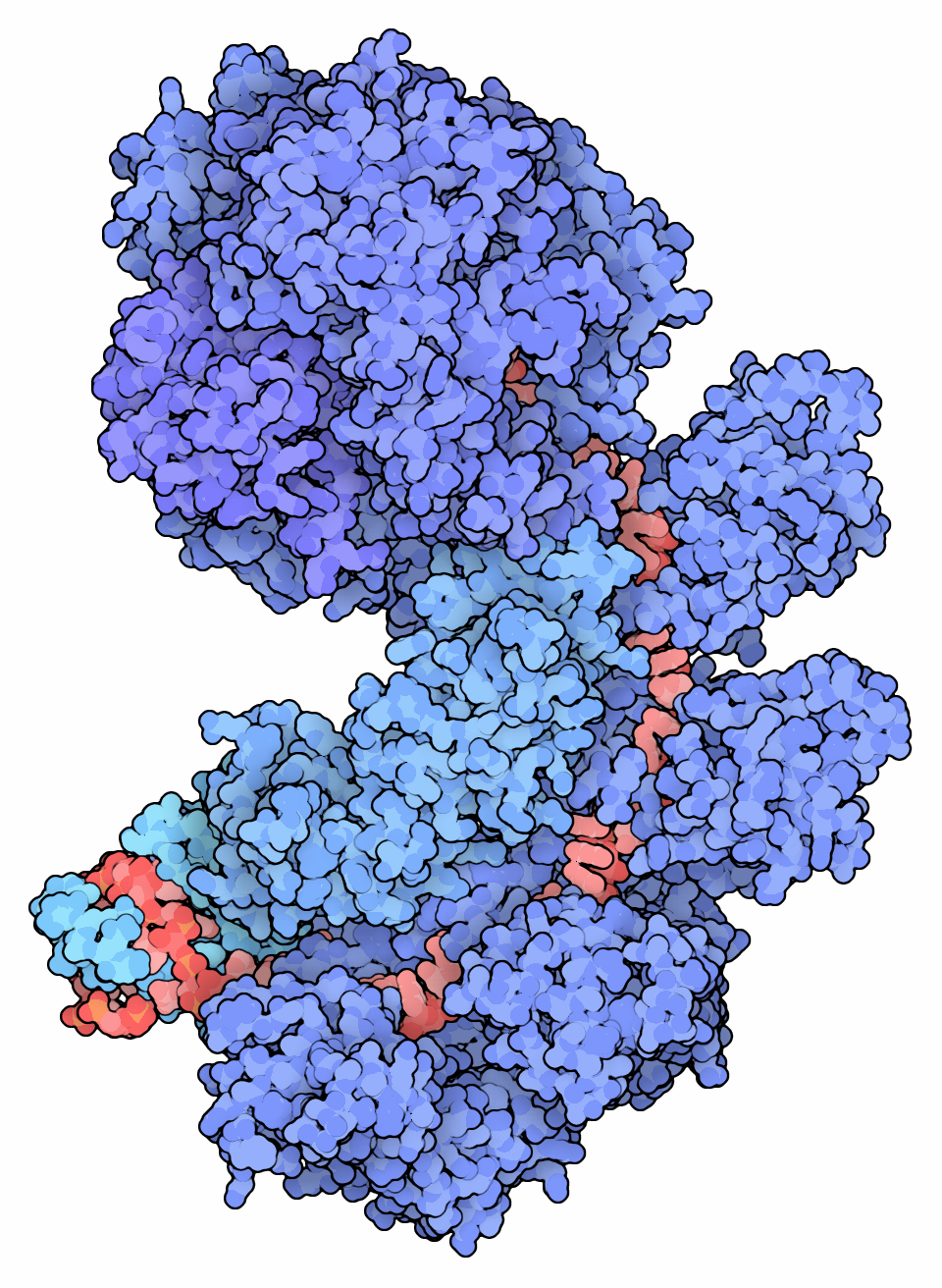
CRISPR-like DNA in viruses has been identified by Anthropic’s AI biolab, opening new avenues for research in genetic engineering and biotechnology.
What is CRISPR-like DNA?
CRISPR-like DNA refers to sequences found in certain organisms, particularly viruses, that share similarities with the well-known CRISPR (Clustered Regularly Interspaced Short Palindromic Repeats) system. This system is primarily recognized for its role in gene editing, where it acts as a defense mechanism in bacteria against viral infections. Researchers have recently discovered CRISPR-like DNA in various viruses, indicating that these sequences may serve functions similar to their bacterial counterparts.
The identification of CRISPR-like DNA in viruses suggests a potential evolutionary link between these organisms and their bacterial hosts. Scientists believe that this viral DNA could play a crucial role in how viruses adapt and survive in different environments. Some of the key characteristics of CRISPR-like DNA include:
- Adaptive Immunity: It may provide a means for viruses to recognize and combat host defenses.
- Gene Regulation: These sequences might influence viral gene expression, affecting replication and infectivity.
- Evolutionary Insights: Understanding CRISPR-like DNA could shed light on viral evolution and host interactions.
As research progresses, the implications of CRISPR-like DNA in viruses could lead to groundbreaking advancements in biotechnology and medicine.
Implications for Genetic Research
The discovery of CRISPR-like DNA in viruses has significant implications for genetic research. As scientists delve deeper into the genetic makeup of these viruses, they could uncover novel mechanisms that enhance our understanding of genetic regulation and defense systems. This could lead to breakthroughs in biotechnology, particularly in gene editing and therapeutic applications.
One of the key areas of interest is the potential for developing new tools that mimic the efficiency of traditional CRISPR techniques. Researchers are excited about the prospect of utilizing these viral DNA sequences to create more precise gene-editing technologies that could be used in various fields, including medicine, agriculture, and environmental science.
Moreover, the study of CRISPR-like DNA in viruses may shed light on the evolutionary strategies employed by pathogens. Understanding how these viruses utilize such genetic sequences could inform the development of novel antiviral therapies, potentially improving our ability to combat emerging infectious diseases.
- Enhanced gene-editing capabilities
- Novel antiviral therapies
- Insights into pathogen evolution
Overall, the implications of this discovery could reshape the landscape of genetic research and its applications for years to come.
Anthropic’s Role in AI and Biotech
Anthropic, a prominent player in the field of artificial intelligence, is making significant strides in biotechnology through the integration of AI in genomic research. Their latest breakthrough involves the identification of CRISPR-like DNA in viruses, a discovery that could reshape our understanding of genetic manipulation and microbial defense mechanisms.
By harnessing advanced machine learning algorithms, Anthropic’s AI biolab has accelerated the process of analyzing vast genomic datasets. This has enabled researchers to pinpoint the presence of CRISPR-like sequences, which serve as a form of genetic immunity for certain viruses. The implications of this finding extend beyond basic science; they could lead to novel applications in gene editing and viral therapy.
As the interface between AI and biotech continues to evolve, Anthropic’s innovative approach exemplifies how technology can enhance biological research. Their work not only pushes the boundaries of what is scientifically possible but also raises ethical questions regarding genetic manipulation. The potential for such CRISPR-like DNA applications emphasizes the need for responsible guidelines in biotechnology.
In summary, Anthropic stands at the forefront of a transformative era where AI and biotechnological discoveries could pave the way for groundbreaking advancements in health and medicine.
Future of Biotechnology in India
The discovery of CRISPR-like DNA in viruses has opened new avenues for biotechnology in India, showcasing the potential for innovative research and applications. As the country invests heavily in scientific advancements, this finding could play a pivotal role in reshaping its biotechnological landscape.
Indian researchers and startups are increasingly collaborating with global partners to explore the implications of such discoveries. The integration of CRISPR-like mechanisms could lead to breakthroughs in various fields, including:
- Genomic medicine: Developing targeted therapies for genetic disorders.
- Agricultural biotechnology: Enhancing crop resistance and yield through genetic modifications.
- Biomanufacturing: Improving efficiency in the production of biopharmaceuticals.
Moreover, the emergence of AI-driven research initiatives, like those by Anthropic, is set to accelerate the pace of innovation. By leveraging advanced algorithms and data analysis, researchers can better understand the complexities of CRISPR-like DNA, leading to more effective applications.
As India continues to establish itself as a hub for biotechnology, the exploration of CRISPR-like DNA in viruses represents a significant step forward, promising advancements that could benefit both local and global communities alike.
How AI is Transforming Research
Artificial Intelligence (AI) is revolutionizing the field of genetic research, enabling scientists to make groundbreaking discoveries at an unprecedented pace. One of the most significant advancements has been the identification of CRISPR-like DNA in viruses, a finding that could reshape our understanding of viral mechanisms and their interactions with hosts.
AI algorithms are adept at analyzing vast datasets, allowing researchers to spot patterns and connections that may have gone unnoticed. This capability is crucial in studying complex genetic sequences, where traditional methods may fall short. By employing AI, scientists can:
- Accelerate data analysis: AI can process genomic data faster than manual techniques, identifying potential CRISPR-like DNA sequences in viral genomes.
- Enhance predictive modeling: Machine learning models can forecast how these viral sequences interact with CRISPR systems in bacteria.
- Facilitate interdisciplinary collaboration: AI tools foster partnerships between geneticists, virologists, and computer scientists, leading to innovative solutions.
In essence, AI is not just a tool but a catalyst for transformative change in biotech, paving the way for new therapeutic strategies and deeper insights into the genetic landscape of viruses.
By David Goodsell via Openverse
References
Elevate Campuses IPO: The Smart Date and Details You Need · Indian stock market growth: Proven strategies for success · Linde India Trading Window: Quick Update on Results